
GAME700 | GAME700: Unveiling the World of Tabletop Games
GAME700’s Dive deep into the fascinating world of tabletop games, exploring their rich history, diverse genres, and cultural significance. Discover how these analog gaming experiences continue to captivate enthusiasts worldwide.
Discovering the Allure of Tabletop Games
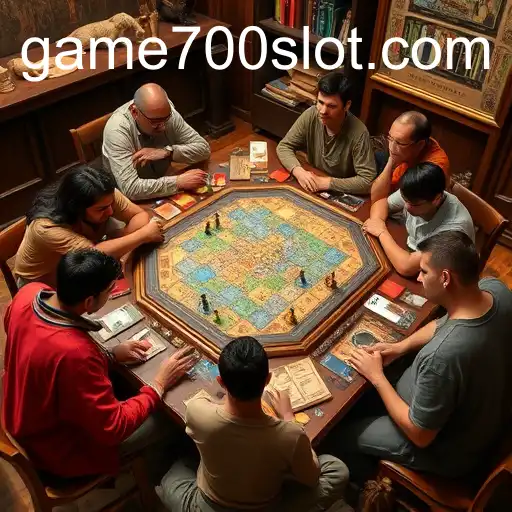
In a digital age dominated by screens and virtual reality, the resurgence of tabletop games—often encapsulated under the keyword GAME700—is nothing short of a cultural phenomenon. These analog experiences offer a sanctuary of tactile engagement, fostering human interaction and strategic thinking in ways that digital platforms struggle to emulate.
The Rich History of Tabletop Games
The origin of tabletop games can be traced back millennia, with ancient civilizations crafting games as a form of entertainment and learning. From the strategic military exercises of Go in China to the mystical origins of Senet in ancient Egypt, the evolution of these games reflects a deep-seated human desire for connection and competition. Interestingly, many contemporary games draw inspiration from these ancient predecessors, merging history with modern innovation.
Diverse Genres and Mechanics
One of the most intriguing aspects of TABLETOP GAME700 is the sheer diversity of options available to players. Games range from the intricate strategies of Eurogames to the narrative-driven experiences of role-playing games (RPGs), each offering unique mechanics and styles:
- Eurogames: Known for their strategic depth and limited player elimination, these games often emphasize resource management and economic planning.
- Role-Playing Games (RPGs): Encouraging creativity and story-building, RPGs allow players to immerse themselves in fantastical worlds, guided by a narrative that unfolds with their choices.
- Card Games: With origins in traditional decks, modern card games feature complex mechanics and continue to innovate with collectible and deck-building elements.
- Wargames: Simulating epic battles, these games focus on tactical deployment and historical accuracy, appealing to enthusiasts of military history.
- Party Games: Designed for large groups, these games prioritize fun and social interaction, making them perfect for gatherings.
The Culture and Community of Tabletop Gaming
The tabletop gaming community is a vibrant tapestry of diverse individuals united by a shared passion. From local gaming shops offering spaces for casual play to massive conventions like Gen Con, these hubs of activity serve as meeting grounds for enthusiasts. The rise of GAME700 and similar keywords represent more than just a trend; they symbolize a community eager to share their love for analog games.
Tabletop games also foster learning, encouraging critical thinking, problem-solving, and social skills among players. Educational institutions have started integrating gaming elements into curriculums, recognizing their potential to enhance learning experiences.
Impact on Pop Culture and Media
The influence of tabletop games has permeated popular culture, inspiring countless adaptations in books, films, and television. Shows like Stranger Things have reignited interest in Dungeons & Dragons, one of the pillars of tabletop RPGs. This resurgence has led to a renewed dialogue about the multifaceted benefits of tabletop gaming beyond mere entertainment.
Beyond adaptations, the intrinsic storytelling aspects of these games have expanded the narrative possibilities, prompting creators to explore complex themes and adventurous plots. The collaborative storytelling in RPGs, in particular, has birthed new worlds and characters that often transcend the original game settings.
Tabletop Games in the Digital Era
While digital entertainment continues to grow, tabletop games have found a symbiotic relationship with technology. Many popular games have digital adaptations that enable remote play, expanding accessibility and allowing global connectivity. Apps and websites dedicated to gaming rules and tutorials complement traditional play, offering support to new players entering the hobby.
This digital synergy has paved the way for platforms and communities dedicated to tabletop gaming to flourish, bringing new innovations and genres into the spotlight. Despite this, the tangible components of traditional tabletop games—the dice, cards, boards—still hold an irreplaceable charm that digital versions strive to capture.
Conclusion
The world of GAME700 highlights a dynamic and ever-evolving landscape of tabletop games that continue to captivate and engage players worldwide. As this analog pastime melds with modern technology, its impact and significance only grow stronger, ensuring that the art of tabletop gaming remains a beloved tradition in contemporary culture.
